Creating Gentle Rituals for PMS Support
Kristina · February 18, 2026 · 6 min read
The days before your bleed can feel tender. Gentle rituals — warmth, tea, rest, and honest slowness — are a form of care, not indulgence.
I used to call the week before my period my bad week. As if my body was misbehaving. As if irritability, heaviness, and craving warmth were character flaws.
Reframing helped. These days are not a malfunction. They are a signal. My body is asking for something — usually rest, usually gentleness, usually fewer demands.
Warmth as medicine
I mean warmth literally. A hot water bottle on my belly. A long bath. Socks. Soup. Warmth tells the nervous system that it is safe to soften.
On my hardest days, I do not push through. I wrap up. I lower the lights. I let my body lead.
Tea as a daily anchor
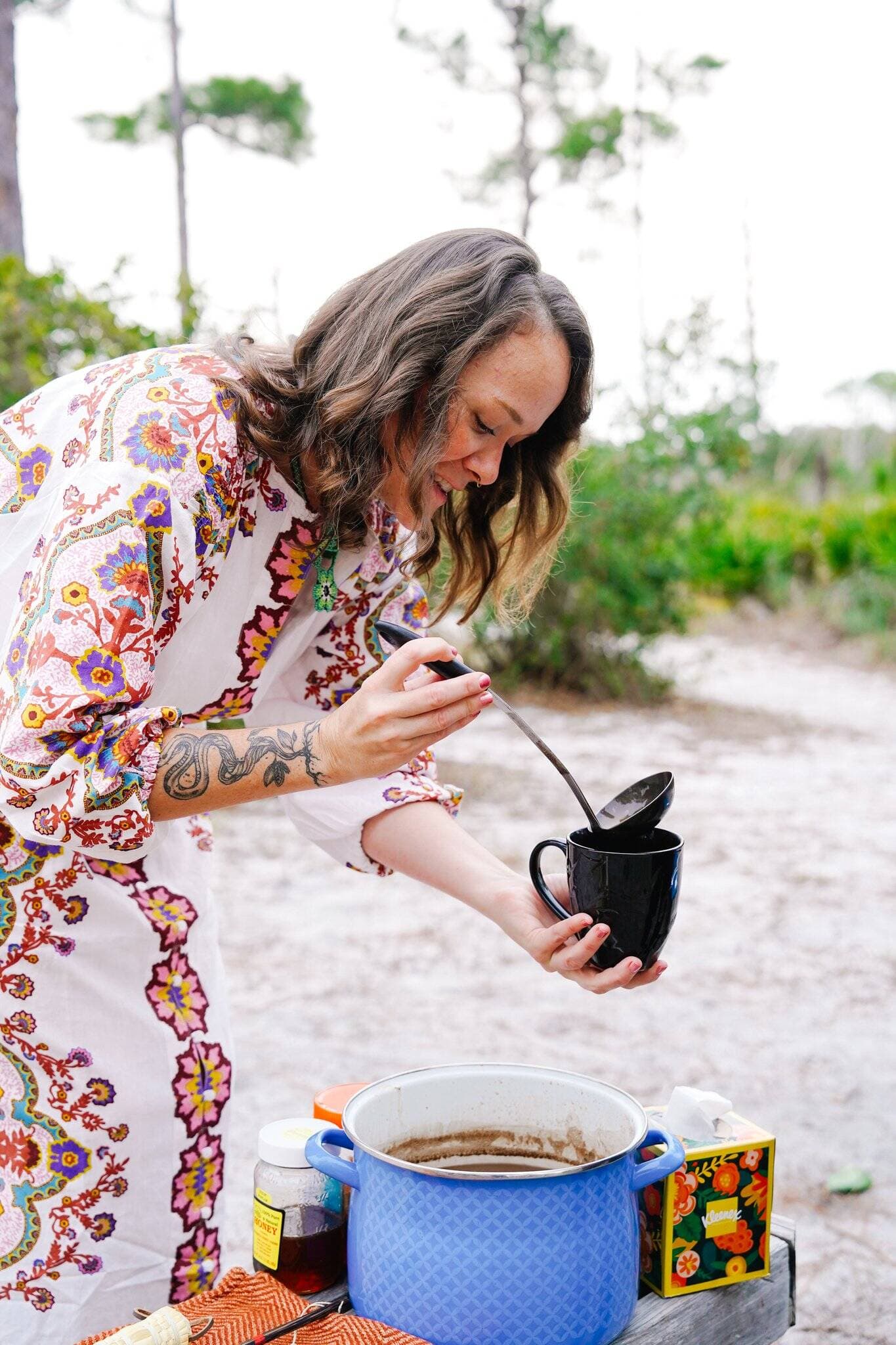
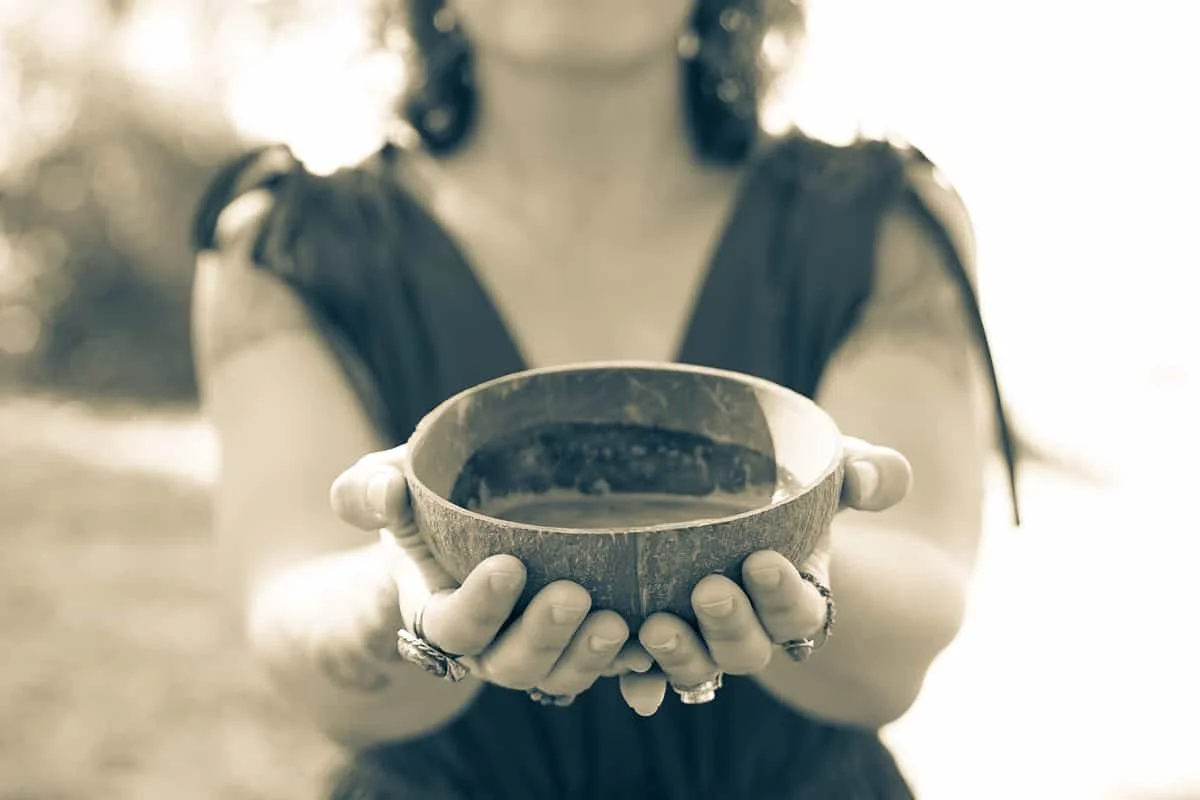
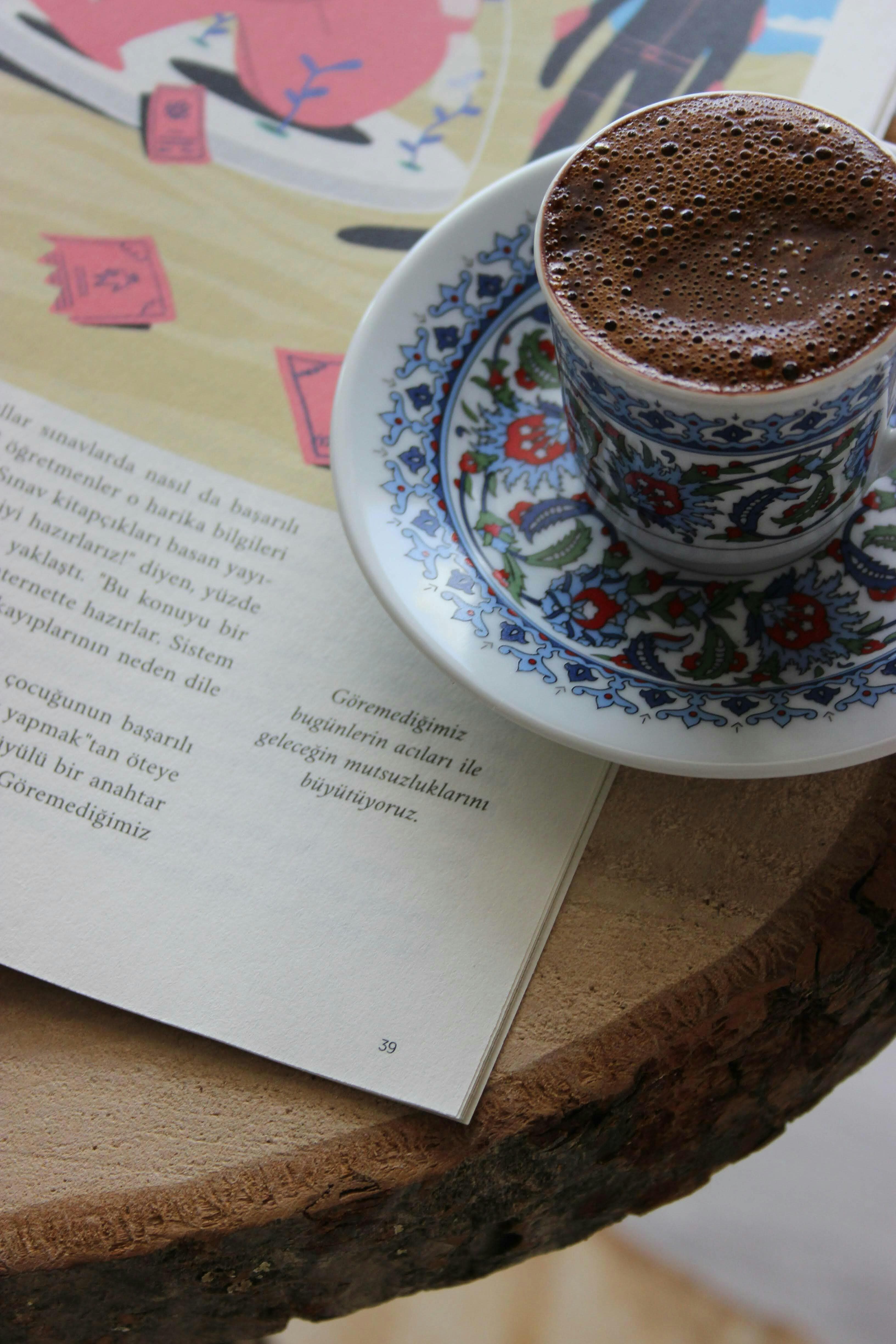
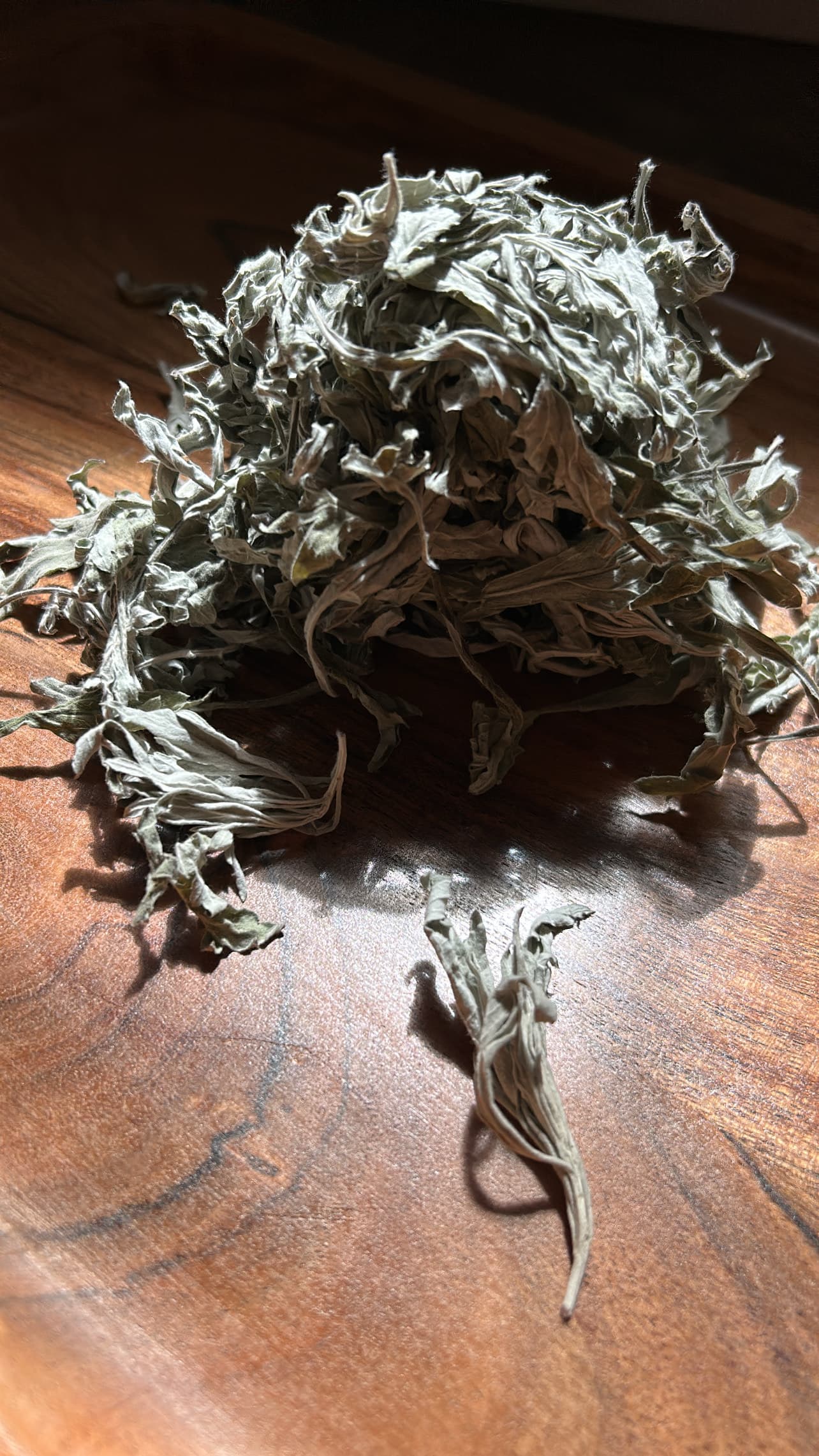
I drink more herbal tea in the days before my bleed. Not because tea fixes PMS — it does not — but because the act of brewing and sipping is grounding. Red raspberry leaf and nettle are traditionally used as women's tonic herbs. Lemon balm and chamomile help support a sense of calm.
Our Women's Cycle Tea was blended for exactly this rhythm. Loose-leaf, meant to be steeped slowly. The ritual matters as much as the herbs.
Journaling without fixing
Sometimes I write three lines before bed: What felt hard today? What do I need tomorrow? I do not solve anything. I just acknowledge.
There is relief in naming. You do not have to carry everything silently.
Nervous system care
PMS often amplifies whatever is already there — stress, grief, frustration. Supporting your nervous system during this time is not extra. It is essential.
Go to bed earlier. Reduce caffeine. Say no to one thing. Ask for help. These are not luxuries. They are how you get through with a little more grace.
A pre-cycle ritual
The next time you feel the shift before your bleed, make one cup of herbal tea. Sit somewhere warm. Write: What would feel kind right now? Do one thing from that list. Nothing heroic. Just kind.
This article is educational and reflects traditional herbal practices. It is not medical advice and is not a substitute for care from a licensed healthcare provider.