Ritual Versus Routine
Kristina · March 15, 2026 · 6 min read
A routine is something you check off. A ritual is something you feel. The difference is not in what you do — it is in how much attention you bring.
I brush my teeth every morning. That is a routine. I do not think about it. I am usually planning the day before I finish.
But when I apply balm to my face at night — slowly, with both hands, breathing in the scent of calendula — that is different. I am there. My mind is not three hours ahead. That is a ritual.
Attention is the ingredient
The actions can be identical. Warm cup. Sip. Moisturize. Breathe. What changes is whether you are present for them. Ritual does not require more time. It requires more noticing.
This is why I resist the pressure to build elaborate wellness schedules. Most women I know do not need more tasks. They need their existing moments to mean something.
Sensory cues help
Light a candle before your evening tea. Use a specific mug only for cacao. Keep your balm by the bed so you see it. These small cues tell your nervous system: this moment is different.
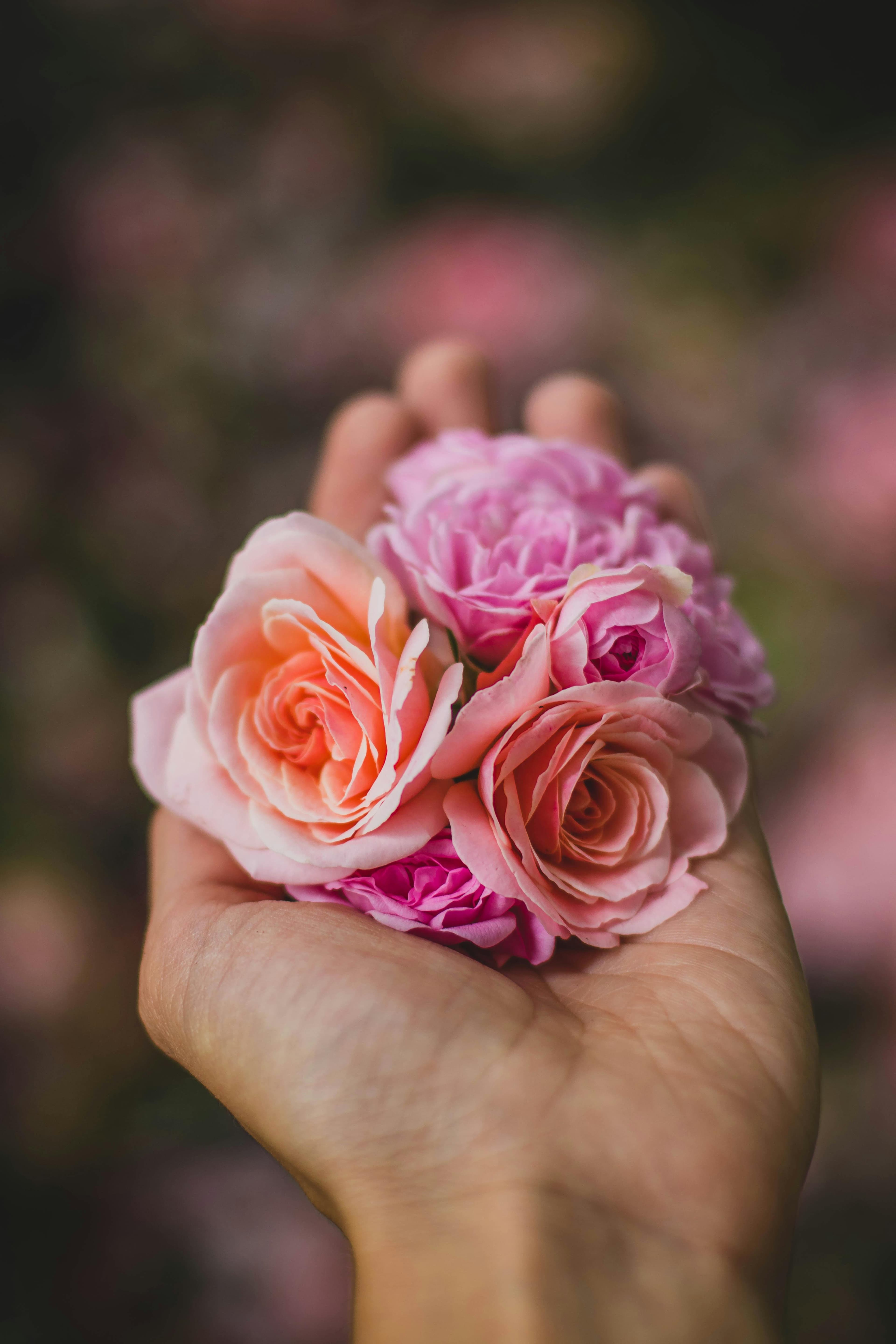
Sensory anchors work because the body remembers them faster than the mind. The smell of rose. The warmth of a cup. The texture of whipped balm on your fingers.
Ritual on hard days
On the days when everything is heavy, ritual does not have to be beautiful. It can be the smallest gesture. One deep breath before a meal. One slow sip of tea. One hand on your chest before sleep.
I have learned not to abandon ritual when I need it most. That is when I simplify it to almost nothing — and let that be enough.
Permission to begin small
You do not need a full morning ceremony. Pick one daily act and do it with attention for one week. Brushing your hair. Applying oil. Drinking water before coffee. One act. Full presence.
That is how ritual grows — not from ambition, but from repetition with care.
One mindful act
Choose one thing you already do every day. Tomorrow, do it ten percent slower. Notice one sensation — temperature, texture, scent. That is ritual. Nothing more required.
This article is educational and reflects traditional herbal practices. It is not medical advice and is not a substitute for care from a licensed healthcare provider.