Seasonal Self-Care for Women
Kristina · January 22, 2026 · 6 min read
Self-care was never meant to be the same in January and July. Aligning your rituals with the seasons is one of the simplest ways to feel more at home in your body.
I used to eat the same salad in December and wonder why I felt cold and unsatisfied. I used to push for summer energy in February and wonder why I felt like I was failing.
Seasonal self-care is the practice of paying attention to what the world outside is doing — and letting that inform how you eat, rest, move, and care for your skin.
Winter: inward and warm
Winter asks for rest, warmth, and depth. Cooked foods. Longer sleep. Richer oils on your skin. Fewer social obligations if you can manage it. This is not hibernation — it is conservation.
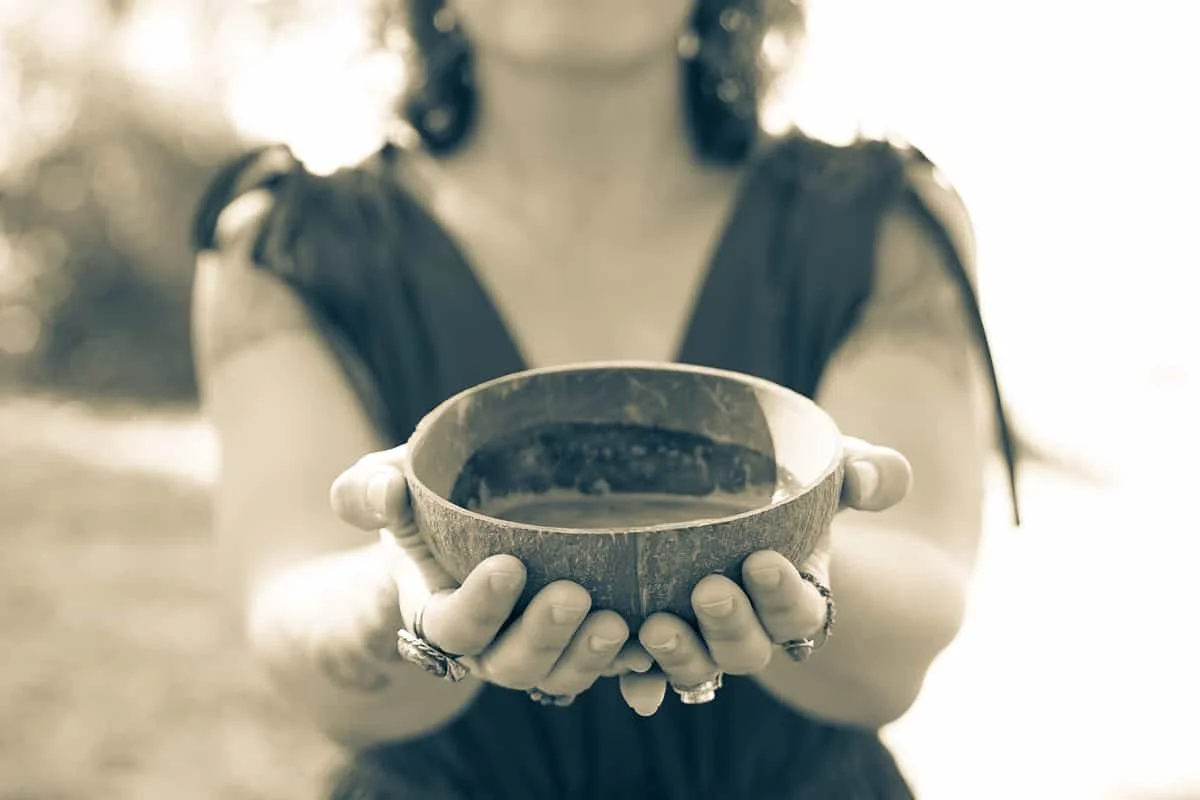
I drink more cacao in winter. I use more tallow balm. I light candles at 4pm because the dark comes early and I need the signal of warmth.
Spring: gentle emergence
Spring is not a command to overhaul your life. It is an invitation to open gradually. Lighter foods. More movement outdoors. Clearing out what you no longer need — in your closet, in your schedule, in your body.
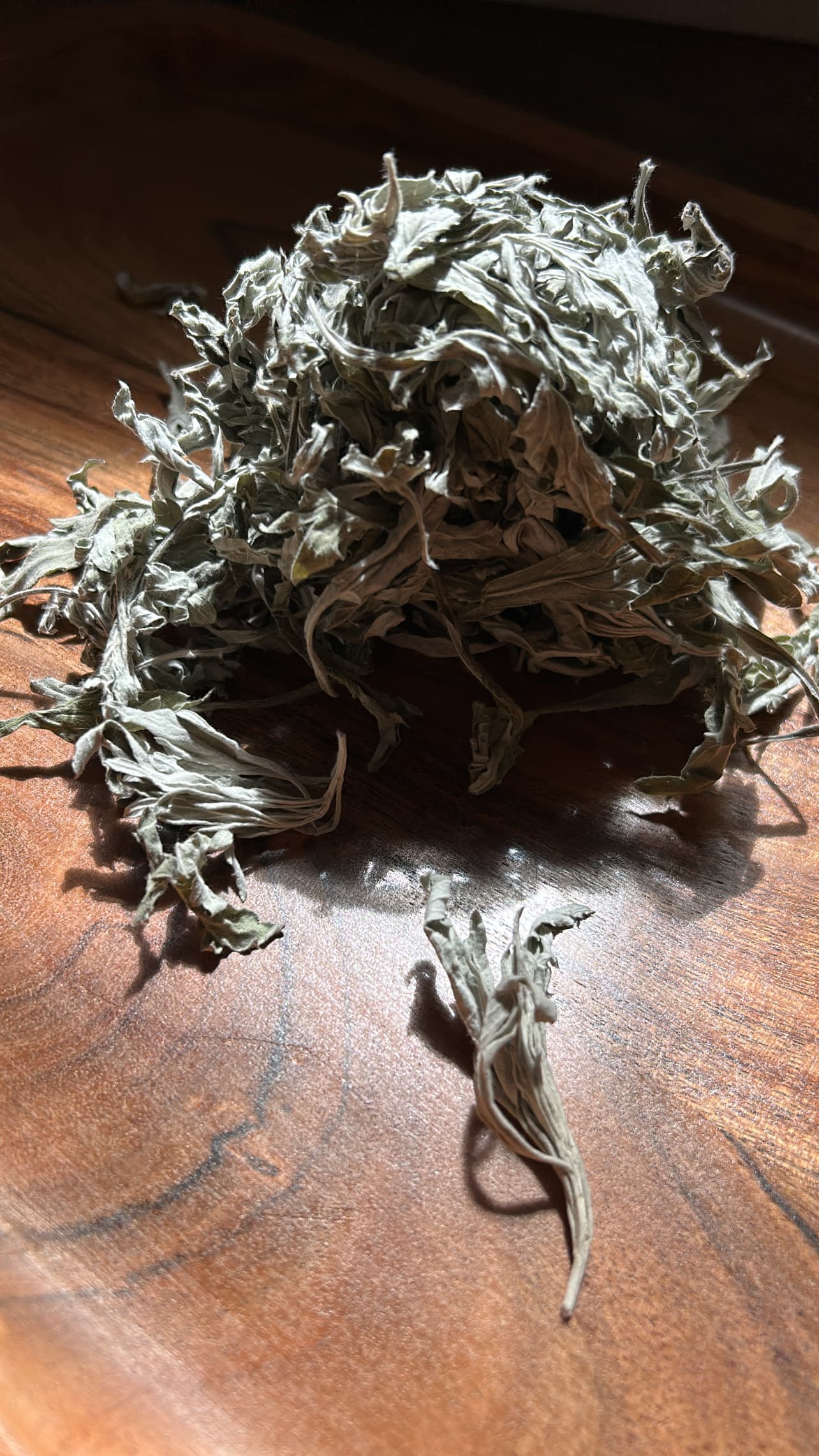
I drink nettle infusions in spring. Bitter greens. I start walking again without a fitness goal — just to feel the air.
Summer: expression and ease
Summer energy is outward. Connection. Longer days. Lighter skincare — less balm, more mist. Hydration. Early mornings before the heat.
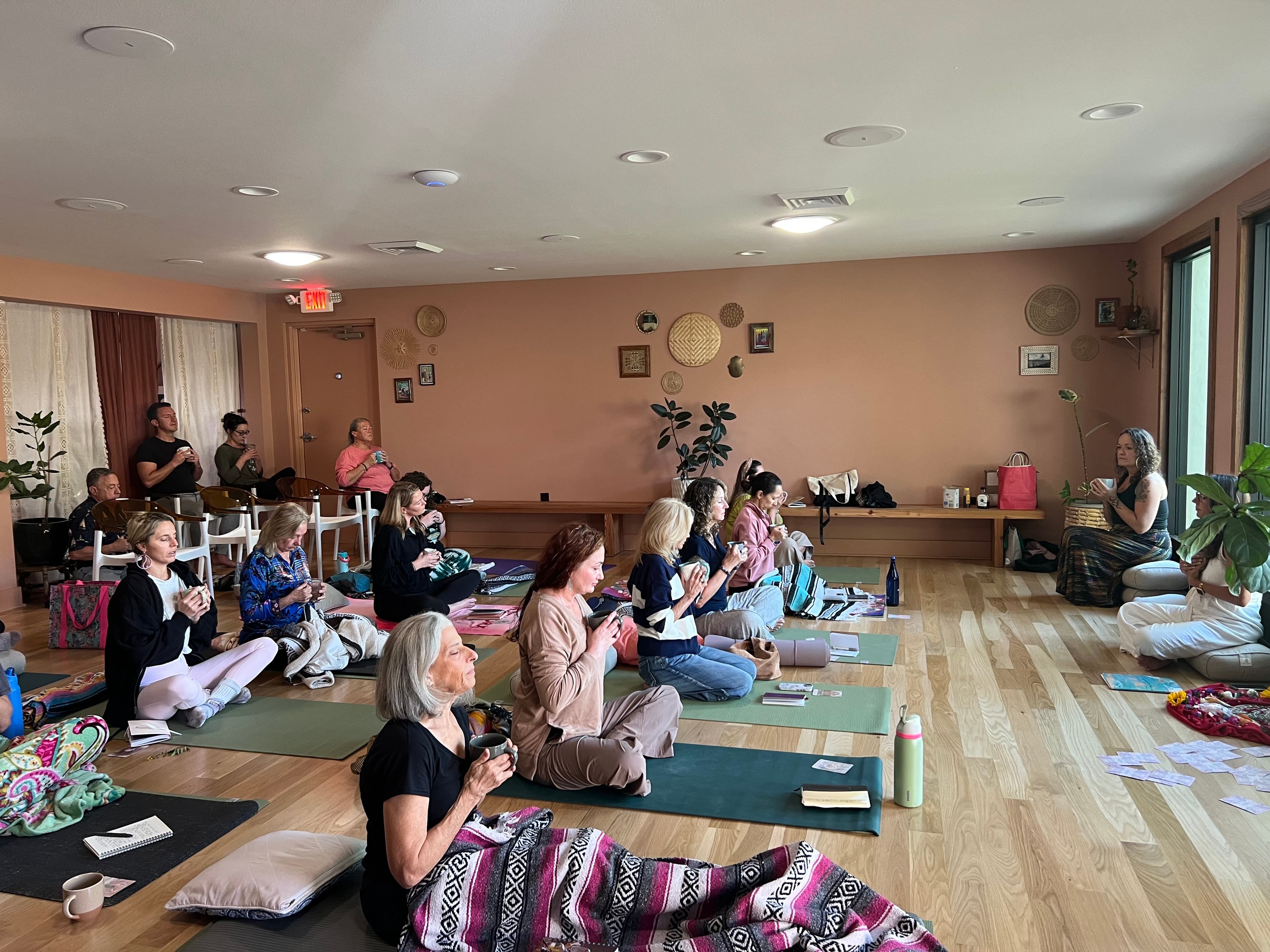
I gather more in summer. Cacao circles outdoors. Conversations on the porch. The social season has its own nourishment.
Autumn: harvest and release
Autumn is my favorite. The body begins to slow. It is a time for gratitude, for finishing projects, for letting go of what did not grow. Warming spices return. Evening rituals deepen.
I think of autumn as the exhale of the year. What are you putting down?
Seasonal check-in
What season is it outside your window right now? Write one way your body is asking to be cared for in this season — more rest, more light, more warmth, more movement. Adjust one ritual this week to match.
This article is educational and reflects traditional herbal practices. It is not medical advice and is not a substitute for care from a licensed healthcare provider.