What Is an Herbal Tincture?
Kristina · January 10, 2026 · 6 min read
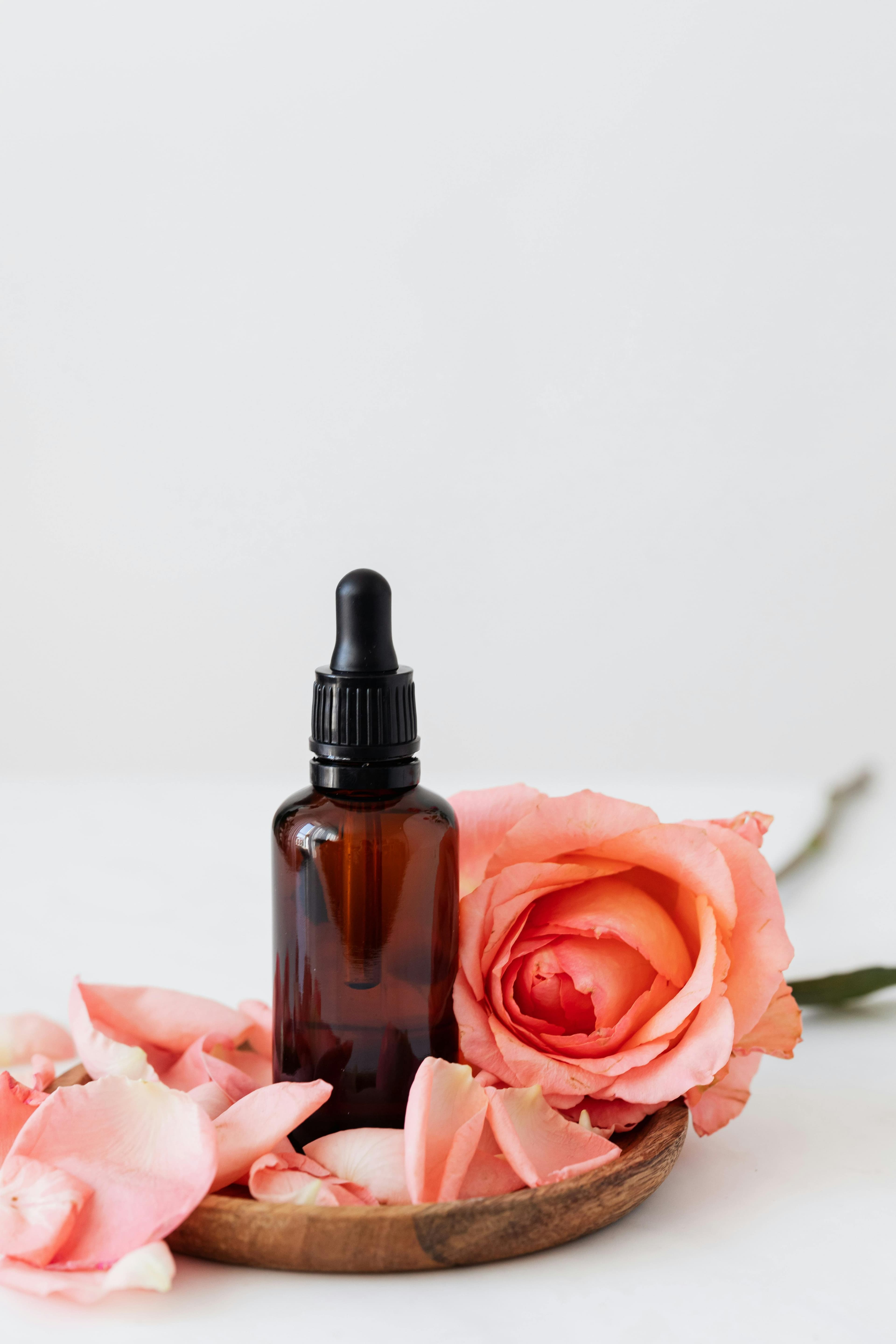
A tincture is one of the oldest ways humans have preserved plant wisdom. It sounds clinical, but it is really quite simple.
When I first heard the word tincture, I imagined something complicated — a lab, a chemist, a prescription. Then I watched an herbalist fill a jar with dried herbs, pour alcohol over them, and set it on a shelf to steep. That was it.
A tincture is simply a concentrated liquid extract of an herb. The alcohol (or sometimes glycerin) draws out the plant's properties over weeks. What you get is a shelf-stable preparation you can take by the dropperful.
Why alcohol?
Alcohol is an excellent solvent for many plant compounds. It extracts both water-soluble and alcohol-soluble constituents. The result is potent and long-lasting — a tincture can keep for years if stored properly.
If you avoid alcohol, glycerites are an alternative. They are gentler extracts made with vegetable glycerin. They taste sweeter and are popular for children's formulas and alcohol-sensitive individuals.
How to take a tincture
Most tinctures are taken by the dropperful — usually 15 to 30 drops — diluted in a small amount of water or tea. I take mine in the evening, a few drops in a glass of warm water before bed.
Start with the suggested amount on the label. More is not better. Herbs work in relationship with your body over time, not in single heroic doses.
Making versus buying
You can make tinctures at home with dried herbs, alcohol, and patience. Fill a jar one-third with herb, cover with alcohol, seal, and steep for four to six weeks, shaking occasionally. Strain and bottle.
I make some of my own and buy others. Our Evening Adaptogenic Tincture is one I formulated for my own evenings and then shared — because other women kept asking for it.
Respect the plants
A tincture is concentrated. That means a little goes a long way, and it also means you should know what you are taking. Learn the herb. Understand its traditional uses. Check for interactions if you take medications.
Herbs are not casual. They are plant wisdom in a bottle. Receive them with the same attention you would give a conversation with a wise elder.
Try a drop
If you have a tincture at home, take the recommended dose in water tonight. Sit quietly for five minutes afterward. Notice anything — warmth, calm, nothing at all. All observations are useful. Write one sentence about what you feel.
This article is educational and reflects traditional herbal practices. It is not medical advice and is not a substitute for care from a licensed healthcare provider.